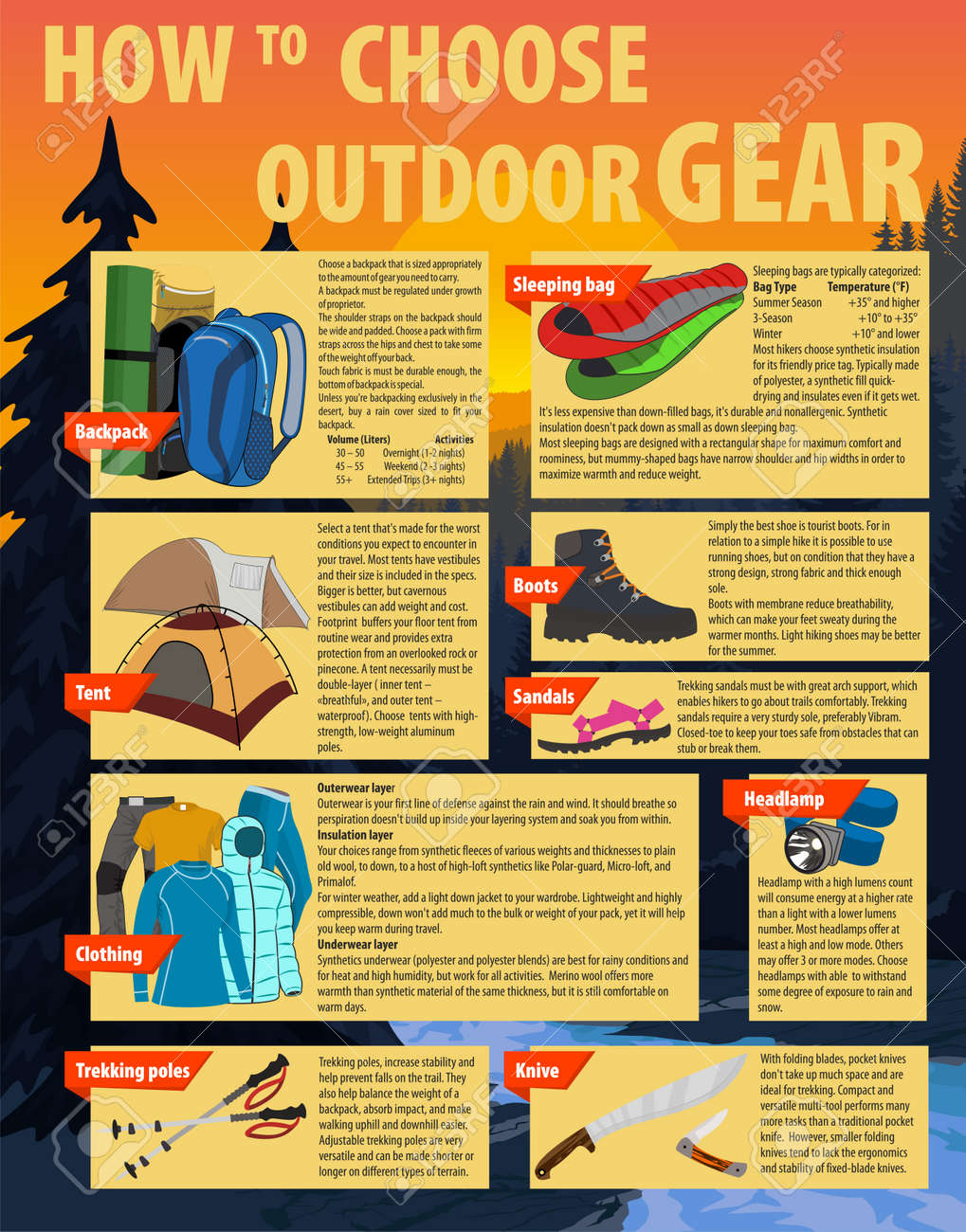
How Water-proof Rankings Benefit Camping Gear
If you've ever stood in a camping store staring at two rain coats-- one classified "waterproof" and the other boasting a "20,000 mm hydrostatic head score"-- you understand the complication is genuine. Water resistant ratings sound technical, once you recognize what the numbers in fact suggest, purchasing outdoor camping equipment becomes a whole lot easier. Here's a breakdown of how water-proof rankings job and what to search for before your next journey right into the outdoors.
What Is a Water resistant Score?
A water resistant ranking procedures how much water stress a fabric can stand up to before it begins to leakage. It's normally expressed in millimeters (mm) and describes a standardized test called the hydrostatic head examination. In this examination, a column of water is positioned on top of a fabric example, and engineers determine the elevation of that column at the point when water starts to seep with. The higher the number, the a lot more waterproof the material.
As an example, a fabric ranked at 1,500 mm can withstand a 1,500 mm high column of water prior to leaking. A material ranked at 20,000 mm can deal with dramatically much more stress-- which translates to staying completely dry in heavy, sustained rainfall.
What the Numbers In Fact Mean in the Field
Understanding the range aids you match gear to problems:
1,000 mm-- 1,500 mm
This is taken into consideration water-resistant, not completely water-proof. Gear in this variety can take care of light drizzle or brief showers however will certainly let moisture with in continual rain or when pressure is used-- like remaining on a wet log or leaning against a damp outdoor tents wall.
1,500 mm-- 5,000 mm
This variety supplies moderate waterproofing, suitable for light to modest rainfall. Budget tents and entry-level rain jackets commonly drop here. Fine for fair-weather camping or periodic showers, yet not ideal for extended damp problems.
5,000 mm-- 10,000 mm
This is strong waterproofing for most leisure campers. Equipment in this array takes care of steady rain well and is a trustworthy selection for three-season camping. Numerous mid-range camping tents and coats being in this group.
10,000 mm-- 20,000 mm and Over
At this level, you're looking at major waterproofing created for hefty rainfall, alpine conditions, or multi-day backcountry trips in wet climates. Premium camping tents, alpinism coats, and exploration equipment typically carry ratings here. If you're camping in the Pacific Northwest or travelling with monsoon-prone regions, this variety deserves the financial investment.
Waterproofing vs. Breathability
Right here's something several campers do not understand: waterproofing and breathability exist in stress with each other. A totally water-proof textile that does not take a breath will certainly catch sweat within, making you equally as damp-- however from the within. This is why most quality rainfall coats and outdoors tents make use of membrane layers like Gore-Tex or exclusive laminates that obstruct exterior water while permitting dampness vapor to run away.
Breathability is ranked independently, normally in grams (g/m TWO/ 24h)-- the quantity of wetness vapor that can go through one square meter of material in 24 hr. A score of 10,000 g is considered great for active usage; 20,000 g and above is outstanding for high-output activities like trail running or mountaineering.
DWR Coating: The Outer Layer That Issues
Also the most water resistant material counts on an external finish called DWR-- Sturdy Water Repellent. This therapy creates water to grain up and roll off the material's surface rather than soaking in. Without it, textile ends up being "wet out," absorbing water and feeling heavy and cool, even if the hidden membrane is still technically waterproof.
DWR wears off with time with cleaning and usage. The good news is you can restore it with items like Nikwax or Grangers, either as a wash-in treatment or a spray. If your jacket or outdoor tents fly is no more beading water, it's time to reapply-- not necessarily time to change.
Seams and Zippers: The Weak Points
A textile's water resistant rating suggests little if water sneaks in with the seams. Seek taped or seam-sealed building, where a waterproof tape is adhered over every stitch line. Completely taped joints use the best defense; critically taped seams cover only the most subjected locations.
In a similar way, water-proof zippers-- located on higher-end equipment-- protect against water intrusion at closures, which are another common leakage factor in coats and completely dry bags.
Picking the Right Score for Your Journey
The very best water resistant score is the one that matches where you're really going. A fair-weather weekend camper doesn't need a 20,000 mm tent, equally as a significant towering traveler can renting glamping tents not pay for to skimp on protection. Think about your typical problems, journey size, and just how much weight you want to bring, then let the ratings overview-- not bewilder-- your choice.
Comprehending these numbers puts you in control. Because when the skies open 3 miles from the trailhead, the last thing you want is a coat playing catch-up with the rain.Sonnet 4.6